
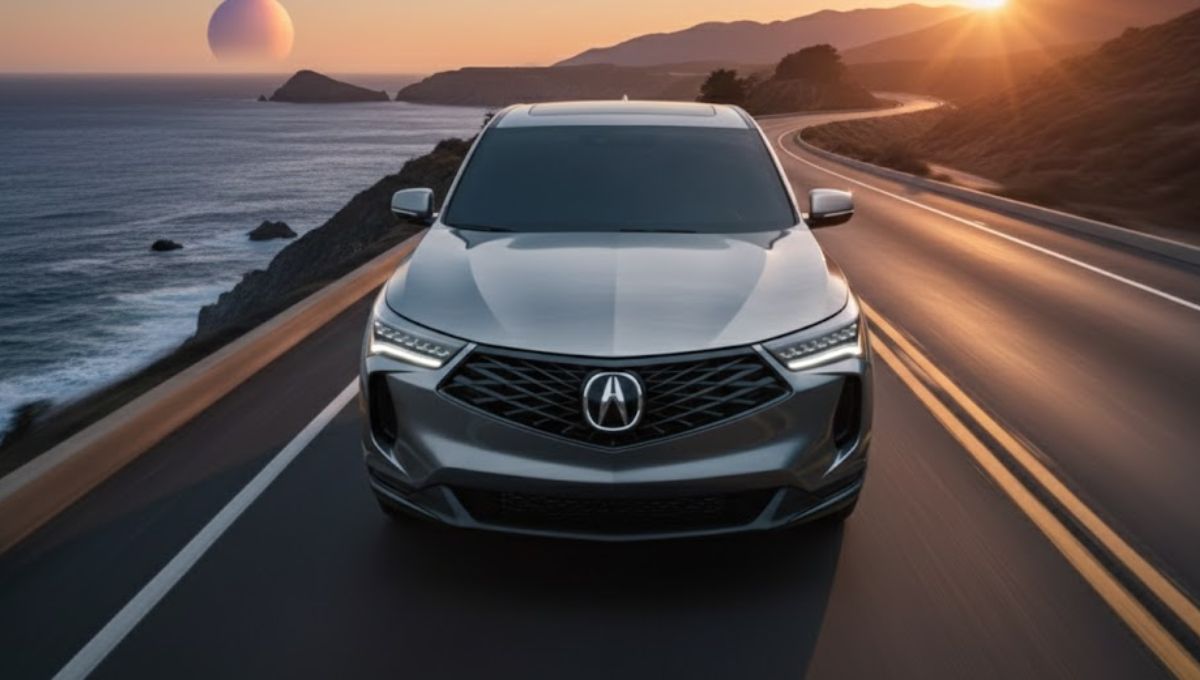
At first glance, discontinuing one of your top-selling vehicles sounds like a business mistake. For Acura, however, ending production of its second-best-selling model is not a sign of trouble—it’s a calculated decision rooted in long-term brand survival.
The move has sparked debate among enthusiasts, industry analysts, and loyal Acura buyers alike. Why would a premium brand walk away from a model that consistently delivered volume? The answer lies in changing consumer expectations, shifting market economics, and Acura’s evolving identity in a highly competitive luxury segment.
This article explores why Acura is making this decision, what it reveals about the brand’s future, and how it fits into a broader transformation underway inside Honda’s luxury division.
Acura’s Position in the Modern Luxury Market
Acura occupies a unique space. It is not positioned as ultra-luxury, nor does it compete directly with mass-market brands. Instead, it operates in a value-driven premium segment, emphasizing performance engineering, reliability, and understated design.
However, the luxury market has changed dramatically:
- Buyers now expect electrification
- Technology is no longer optional
- Brand storytelling matters as much as horsepower
- SUVs dominate, but sameness is punished
Acura’s challenge is no longer selling cars—it’s staying relevant.
The Model That Sold Well, But Raised Questions
The discontinued vehicle was Acura’s second-best-selling model for several years. On paper, it performed well:
- Strong annual sales volume
- Broad appeal among families and professionals
- Competitive pricing in the premium compact SUV space
Yet internally, the picture was more complicated.
Sales volume does not always equal profitability. As competitors refreshed platforms, added electrification, and invested heavily in digital interiors, the cost of keeping this model competitive rose sharply.
Profit Margins Matter More Than Sales Rankings
One of the most misunderstood aspects of automotive strategy is that not all sales are equal.
Despite strong demand, this Acura model faced:
- Rising production costs
- Platform limitations
- Narrow pricing flexibility
- Increasing incentives are required to maintain volume
Meanwhile, newer models with fewer sales were delivering higher margins.
For a brand operating within a corporate structure like Honda, every product must justify its investment.
Read more:- The New GSX-8R Review: Where Sportbike Style Meets Intelligent Engineering
Platform Constraints and Engineering Reality
This vehicle was built on an aging architecture that made future upgrades increasingly difficult.
Key limitations included:
- Limited electrification compatibility
- Structural challenges for advanced driver assistance systems
- Packaging constraints for battery integration
- Higher reengineering costs compared to new platforms
Instead of endlessly updating an old foundation, Acura chose to redirect resources toward future-ready platforms.
Electrification Changed the Equation
Acura has committed to an electrified future, including fully electric and hybrid models.
The discontinued model presented a dilemma:
- Retrofitting electrification would compromise performance or pricing
- A full redesign would overlap with upcoming electric SUVs
- Hybrid demand in this segment remains inconsistent in North America
From a strategic standpoint, discontinuation became the cleanest solution.
Brand Identity: Less Volume, More Meaning
Acura is quietly reshaping its identity.
Rather than chasing volume, the brand is focusing on:
- Performance-oriented products
- Clear design language
- Electrified flagship models
- Fewer, more distinctive vehicles
This decision aligns with that philosophy. Removing a model that blended into a crowded segment allows Acura to stand apart instead of competing on sameness.
Internal Competition Within the Acura Lineup
Another factor is internal cannibalization.
The discontinued model often overlapped with:
- Entry-level luxury SUVs from competitors
- Acura’s own compact and midsize offerings
- Honda’s high-end trims
This overlap diluted brand clarity and forced Acura to compete against itself.
Consumer Trends Are Moving Fast
Today’s buyers prioritize:
- Seamless infotainment
- Electrified powertrains
- Bold design
- Strong resale value
While the model in question remained competent, it struggled to excite. In a premium segment, competence is no longer enough.
What This Means for Acura Owners
For current owners, this decision does not reduce value overnight.
Acura remains known for:
- Strong long-term reliability
- Continued parts availability
- Dealer support
Historically, discontinued Acura models often maintain solid resale value due to brand trust.
What Replaces It?
Acura is not leaving the segment empty.
Expect:
- Electrified SUVs on new platforms
- Performance-focused variants
- Higher emphasis on software and connectivity
- Clearer separation between Acura and Honda offerings
This is subtraction with intent, not abandonment.
Industry Perspective: A Smart, Difficult Choice
Automakers rarely discontinue successful models without strong reasons.
In Acura’s case, the decision reflects:
- Financial discipline
- Long-term planning
- Brand evolution
- Technological reality
It is a reminder that selling well today does not guarantee relevance tomorrow.
A Brand Choosing Its Future
Acura’s decision to end its second-best-selling model is not about failure—it’s about focus.
By letting go of a familiar product, Acura creates space for innovation, electrification, and a stronger brand identity. In an industry undergoing historic change, difficult choices often define the winners.
This move signals that Acura is thinking beyond quarterly sales charts and investing in what the next decade demands.
FAQs
Why did Acura discontinue a high-selling model?
long-term profitability, platform limitations, and electrification challenges outweighed short-term sales success.
Is Acura struggling financially?
No. The decision reflects strategic realignment, not financial distress.
Will Acura replace the discontinued model?
Yes. New electrified and next-generation SUVs are expected to fill the gap.
What happens to existing owners?
Owners will continue to receive full service support, parts availability, and warranty coverage.