
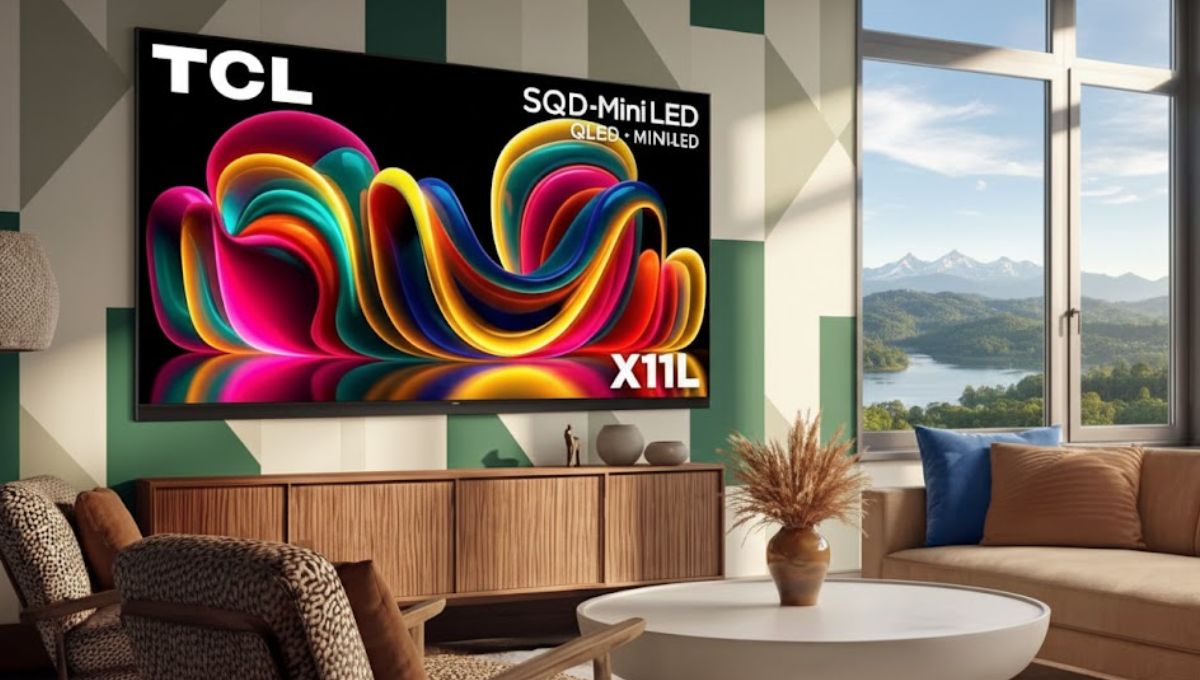
The television industry is entering a defining phase. After years of incremental upgrades, New TV Technology expected in 2026 signals a deeper transformation—one that reshapes how screens look, how content is processed, and how viewers interact with their TVs. Rather than focusing only on higher resolution, manufacturers are investing in smarter processing, better panel efficiency, and immersive experiences that feel more natural and responsive.
This shift is not just about premium flagship models. The innovations arriving in 2026 are designed to scale across different price segments, bringing meaningful improvements to everyday viewing.
The Evolution Beyond Resolution
For years, TV marketing revolved around numbers—4K, 8K, refresh rates, and brightness levels. While these still matter, New TV Technology moves beyond raw specifications toward holistic viewing quality.
Panel manufacturers are now prioritizing contrast accuracy, pixel-level light control, and consistency across wide viewing angles. This means viewers no longer need to sit directly in front of the TV to enjoy accurate colors and deep blacks. The goal is realism, not just sharpness.
Smarter Panels with Improved Efficiency
One of the biggest changes coming in 2026 is how TVs manage power and brightness. Next-generation panels are designed to deliver higher peak brightness without excessive energy consumption. This benefits both picture quality and long-term durability.
Advanced light-emission techniques allow screens to adjust brightness dynamically based on content and room lighting. Dark scenes remain detailed, while bright scenes appear vivid without washing out colors. These improvements also reduce heat buildup, extending the lifespan of the display.
Read more:- This 100W boAt Nirvana Luxe Bluetooth Speaker Surprised Us Big Time
AI-Driven Processing Takes Center Stage
Modern televisions are becoming intelligent devices, and New TV Technology in 2026 takes this further through advanced AI processing. Instead of applying generic enhancements, TVs now analyze scenes in real time—detecting faces, landscapes, text, and motion patterns.
This allows for smarter upscaling of older content, improved motion clarity for sports, and refined noise reduction for streaming video. Importantly, these enhancements work subtly, improving quality without introducing artificial artifacts that can distract viewers.
A Major Leap in Motion and Gaming Performance
Gamers and sports fans will notice some of the most dramatic upgrades. Next-generation TVs are being optimized for ultra-smooth motion, lower input lag, and more stable frame delivery.
Support for higher refresh rates and adaptive synchronization is becoming standard rather than exclusive. As gaming consoles and cloud gaming platforms evolve, TVs in 2026 are positioned as central entertainment hubs rather than passive displays.
Sound Technology Finally Catches Up
Visual quality has advanced rapidly, but audio often lagged. New TV Technology addresses this gap with improved built-in sound systems and smarter audio processing.
Televisions are increasingly capable of directing sound toward the viewer, creating a wider and more immersive soundstage without external speakers. AI-based audio tuning adjusts dialogue clarity and ambient effects based on content type, making movies, news, and sports sound distinctly optimized.
Sustainability and Longevity Become Core Priorities
Another important shift is the industry’s growing focus on sustainability. Newer TVs are designed with longer software support cycles and more efficient hardware. This reduces electronic waste and gives consumers better long-term value.
Manufacturers are also rethinking materials and packaging, aiming to minimize environmental impact without compromising quality. For buyers, this means investing in a TV that remains relevant and supported for years.
What This Means for Everyday Viewers
For most consumers, New TV Technology in 2026 translates into a more refined and effortless viewing experience. Content looks better regardless of source, sound feels fuller without extra equipment, and smart features work quietly in the background.
Instead of constantly adjusting settings, viewers can trust their TV to deliver consistent quality across movies, games, and streaming platforms.
The TVs arriving in 2026 represent a meaningful evolution rather than a flashy gimmick. By combining smarter processing, improved panel efficiency, and immersive audio-visual enhancements, New TV Technology is setting a new standard for home entertainment. This is not just about better screens—it’s about creating a viewing experience that feels natural, immersive, and future-ready.