
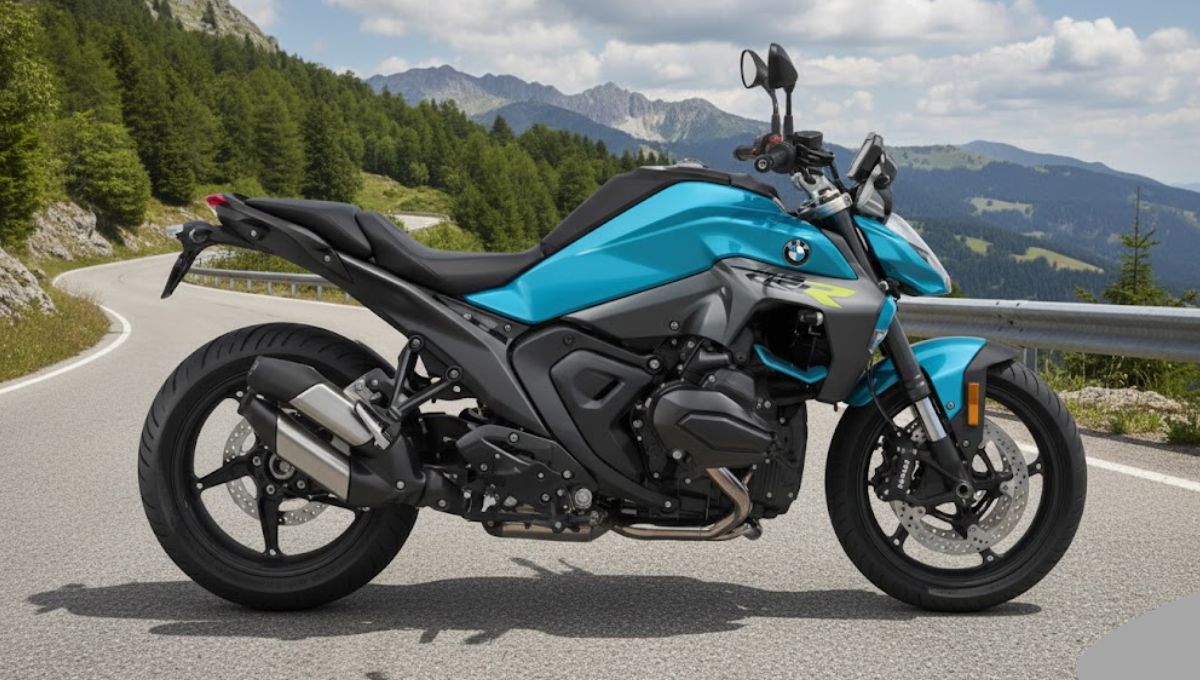
The motorcycle industry rarely changes overnight, but when major players like BMW Motorrad, WP Suspension, and Hinckley-based Triumph introduce coordinated advancements, the impact is immediate and far-reaching. The Big Updates from BMW alongside significant developments from WP Suspension and Hinckley’s engineering teams signal a clear shift toward smarter performance, refined rider comfort, and technology that genuinely enhances real-world riding.
These updates are not about flashy concepts or limited-edition prototypes. They reflect production-ready improvements that affect everyday riders, long-distance tourers, adventure enthusiasts, and performance-focused motorcyclists alike.
BMW Motorrad’s Strategic Evolution
BMW’s recent updates demonstrate a deliberate move toward refining existing strengths rather than reinventing its lineup. The brand continues to focus on rider-centric engineering, integrating advanced electronics with mechanical reliability.
A major highlight is BMW’s continued expansion of adaptive rider assistance systems. Improved traction control logic, refined riding modes, and enhanced electronic suspension tuning offer smoother transitions across varied road conditions. These features are designed not just for performance riding but for safety and confidence during long journeys and unpredictable weather.
Another key aspect of the Big Updates from BMW is the emphasis on modular platform development. By optimizing shared architectures, BMW can introduce improvements across multiple models more efficiently, ensuring consistent quality and reliability.
WP Suspension Raises the Benchmark
WP Suspension’s latest updates underline the growing importance of suspension technology in modern motorcycles. Rather than focusing solely on high-performance racing applications, WP is refining suspension behavior for everyday riders.
Improved damping control, enhanced adjustability, and better thermal stability allow suspension systems to adapt seamlessly between city riding, highways, and rough terrain. The result is a ride that feels planted without sacrificing comfort.
What stands out is WP’s increased focus on feedback. Riders benefit from clearer road feel without harshness, making both aggressive riding and long-distance touring more enjoyable. These improvements complement the electronic advancements introduced by manufacturers like BMW, creating a cohesive riding experience.
Read more:- Is The JFT-125 the Perfect Everyday 125cc Bike? Here’s What Most Riders Miss
Hinckley’s Best: Tradition Meets Modern Engineering
Hinckley-based Triumph continues to build on its reputation for blending classic design with modern performance. The latest updates highlight refined engine tuning, improved chassis balance, and smarter electronics integration.
Rather than chasing outright power figures, Triumph has focused on usable torque, smoother throttle response, and improved rideability. These changes enhance confidence across varying riding conditions while preserving the brand’s distinctive character.
Triumph’s approach reinforces the idea that technological progress does not require abandoning heritage. Instead, it can elevate traditional design through thoughtful engineering.
How These Updates Shape the Riding Experience
Taken together, these developments reflect a broader industry trend: motorcycles are becoming more intuitive without becoming disconnected. Advanced electronics now support the rider rather than dominate the experience.
The Big Updates from BMW, combined with WP Suspension’s refinements and Hinckley’s engineering philosophy, result in motorcycles that feel more predictable, adaptable, and engaging. Whether navigating urban traffic or tackling long-distance touring, riders benefit from improved stability, reduced fatigue, and enhanced safety.
Industry Implications and Future Outlook
These updates also signal how premium motorcycle brands view the future. Instead of radical redesigns, the focus is on incremental, meaningful improvements that enhance ownership satisfaction and long-term reliability.
As regulatory requirements evolve and rider expectations increase, manufacturers that prioritize balanced innovation will likely lead the market. BMW, WP Suspension, and Triumph appear well-positioned to shape this next chapter.
The latest developments represent more than routine updates. They demonstrate a shared commitment to improving real-world riding through smart engineering. For enthusiasts and everyday riders alike, these advancements reinforce confidence in premium motorcycle brands that continue to invest in quality, safety, and rider-focused innovation.
FAQs
What do the Big Updates from BMW focus on most?
They focus on refining electronic rider aids, improving suspension integration, and enhancing overall ride comfort and safety.
How does WP Suspension improve everyday riding?
WP’s updates enhance damping control and feedback, offering smoother performance across different road conditions without sacrificing comfort.
Are these updates aimed only at premium models?
While initially seen in higher-end motorcycles, many features are expected to trickle down to more accessible models over time.